Benefits of Children's Mental Health Services
By Savanna Bradt
Why is Children's Mental Health Important?
In recent years, the amount of young children with mental disorders has been growing. This is a large issue for the younger generations, as it is a threat to their own development. The young mind is still in a developing stage, leaving them vulnerable to mental disorders.A child’s life can be severely disrupted in school, at home, or generally in their community if they do not receive positive treatment. However, there are several different ways to help these children and teens receive the proper care they need and reduce their struggle.
Within the field of psychology, children are often overlooked because of their young age and amount of life experience. However, children can be affected by the same mental disorders experienced by adults, and it is more common than people think. Maya Dawson, a current political science and journalism student at the University of Missouri-Columbia, points out the ongoing effects of mental health on children by utilizing a study, "One in three students reports persistent feelings of sadness or hopelessness, according to a 2019 study, which was up 40 percent from 2009." (Dawson, Maya). Children are experiencing mental disorders, and it is growing at a concerning rate. This is why children should never be overlooked and they should receive the same amount of access to mental health resources as adults.
Children struggle with mental health everyday, and they are often ignored by the adults around them who just assume they are 'bad kids,' when in reality they are struggling and reaching out for help. Instead of getting the help that they need, they are punished for their behavior and are unable to grow from their disorder. There are first-hand accounts of situations like these happening to children in many different areas. My own sister has gone through this experience and she has since been determined to help children who were struggling, similarly like her. Not giving children the proper care they need can have devastating effects in the future, so it's important to listen to their problems instead of casting them aside as a 'bad kid.'
What Causes Mental Health Disorders in Children?
There are many reasons that mental health disorders can develop in children, this could be environmental factors or genetic factors. Certain mental health disorders, like autism, ADHD, bipolar disorder, and schizophrenia, are all genetic, which means that they could be passed from parent to child. This is one reason that mental health disorders may develop in children.Another major factor of mental health disorders is the environmental factors that children face. Children who live in an abusive or low-income household are more likely to develop mental disorders because of the stress they are put under. Some students live in low-income households, where they don’t have proper access to healthcare, clothes, and food. The American Community Survey found that the poverty rate for children was 16.3% in 2022 (Benson). This means that millions of children are living with the everyday struggles that come with living in poverty. These children don’t even have control over these aspects of their lives, often being controlled by their parents who don’t always provide them with proper care. Poverty and neglectful or abusive parents are major issues that often leave a negative impact on children that can cause mental disorders later on.
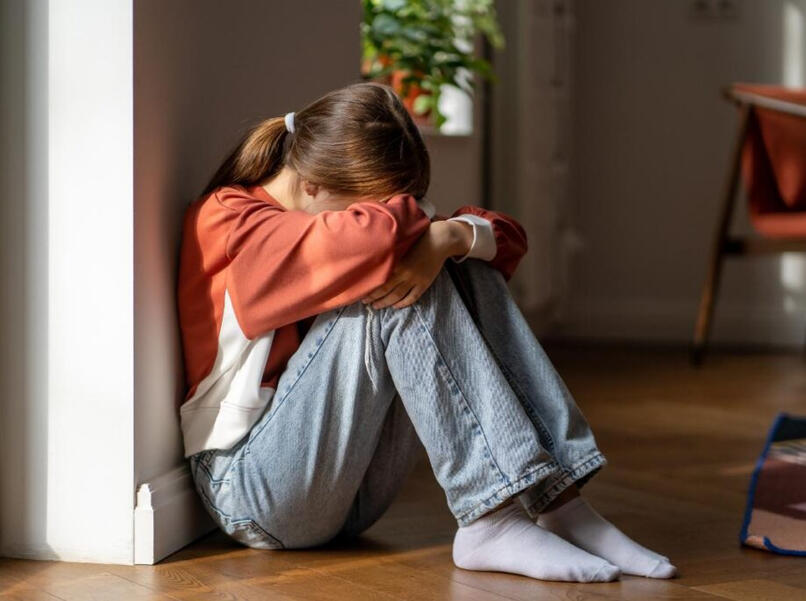
What Are Some Signs That Children Are Struggling With Mental Health Disorders?
Continuous decline in school performance, this could be seen in grades or attendance
Unwilling to communicate with peers
Refusing to participate in school activities
Increased worry, anxiety, or feelings of sadness
Hyperactivity or fidgeting
Frequent disobedience or temper tantrums
How Do Mental Disorders Affect Children?
Children may struggle with depression, anxiety, ADHD, and several other mental disorders. This can stunt their learning ability in school along with their behavioral growth. Many children facing mental disorders fall behind their classmates in school because they struggle a significant amount more. They also tend to develop behavioral disorders, which may cause them to act out and isolate themselves from students and adults. This stunts the mental development of children and worsens mental disorders.The Child Mind Organization has found that 10% of school-age children struggle with mental health issues (Rappaport and Minahan). These mental health issues are a major cause of behavioral problems in children. They make it harder for children to communicate and share their emotions properly.
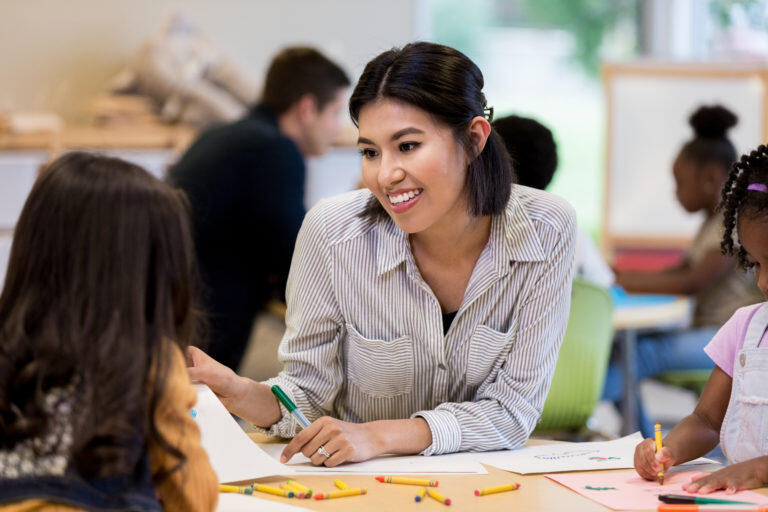
Children struggling with mental disorders are consistently shut down and punished for their actions instead of receiving any counseling or postiive action to help them grow. There are many ways that these children can instead be supported, such as counseling, clinical care, and education. It takes a long time to build connections with children with behavioral disorders, which is why many are unwilling to help these children. However, these children should always be able to communicate with people they trust so they have the opportunity to grow.
How Can Children Who Are Struggling With Mental Health Issues Receive Help?
School psychologists are an important resource that students can access in school. They help to identify the problems children are facing that cause behavioral and mental health issues. They specialize in progress monitoring, learning promotion, consultation, mental health and behavioral interventions, instructional support, and special education services (NASP). Trauma-informed care is another skill utilized by school therapists, this skill is based on the understanding of how trauma can affect people’s lives and what treatment they should receive. They use these skills to ensure that students are safe and supported and that they have the proper resources to succeed in school.
Nathaniel Beers, a clinical professor of pediatrics at Children's National Hospital in Washington, DC, says this about school-based mental health services, “If there are services that can help them be successful in school and... in life that we can help them access in the school day, that can be really beneficial. [This is] partly because the children are there so frequently and less likely to miss out on those services, and partly because there's often spillover of those behavioral health issues into the classroom." (Fitch, Joshua). This shows the importance of having mental health services available to children, as they can have a very positive impact on their development. There are many different organizations that are currently striving for the success of children who have mental disorders.
The Child Mind Institute
The Child Mind Institude is a non-profit organizaiton that provides support and care for children dealing with mental health and learning disorders. They do this through community programs, clinical care, and public education. This organization has been a vital resource in the lives of many families who have been supprted by it. Do your part today by supporting The Child Mind Institute!
Click the links above to learn more about The Child Mind Institute and their goal!
Works Cited
Dawson, Maya. “Mental Health in Schools: We’re Doing it Wrong” Youtube, uploaded by TEDx Talks, 13 May 2022, https://www.youtube.com/watch?v=5Hkb6SuGR0g. Accessed 16 Oct. 2024.
Fitch, Joshua. "Navigating school-based mental health services." Contemporary Pediatrics, vol. 40, no. 7, Aug. 2024, pp. 29+. Gale Academic OneFile, link.gale.com/apps/doc/A804685814/AONE?u=eicc&sid=bookmark-AONE&xid=e689bf73. Accessed 16 Oct. 2024.
Benson, Craig. “U.S. Poverty Rate Varies by Age Groups.” U.S. Census Bureau, 4 December 2023, https://www.census.gov/library/stories/2023/12/poverty-rate-varies-by-age-groups.html. Accessed 28 September 2024.
Rappaport, Nancy, and Jessica Minahan. “Breaking the Behavior Code.” Child Mind Institute, 30 January 2024, https://childmind.org/article/breaking-behavior-code/. Accessed 28 September 2024.
Annie E. Casey Foundation. “Generation Z's Mental Health Issues.” The Annie E. Casey Foundation, 3 March 2021, https://www.aecf.org/blog/generation-z-and-mental-health. Accessed 15 November 2024.
MHA. “Recognizing Mental Health Problems In Children.” Mental Health America, 2024, https://mhanational.org/recognizing-mental-health-problems-children. Accessed 15 November 2024.